
🕍 Holy Church of Saint Nicholas
The Patron Saint of Sailors in the Heart of the City
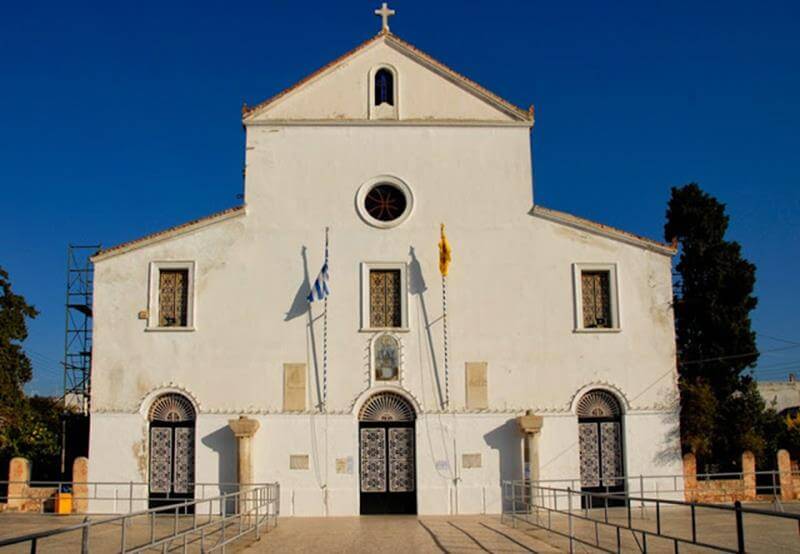
The Holy Church of Saint Nicholas in Chalkida is one of the most characteristic and historical monuments of the city. It is dedicated to St. Nicholas, the patron saint of sailors and seafood. The church is a reference point for residents, visitors and the maritime tradition of the area.
It is located in a central spot, near the old port of Chalkida. Its location links it directly to the historical identity of the city. Chalkida has deep roots in trade, the sea and faith. Agios Nikolaos is considered a protector and guide for the people of Chalkida, especially in difficult times.
🏛️ History & Architectural Identity
The exact date of the church’s foundation is not known. According to tradition, it was built during the period of the Turkish occupation. At that time it served as a centre of faith for the enslaved Greeks. Its present form is due to later renovations. Nevertheless, it retains its traditional Byzantine character.
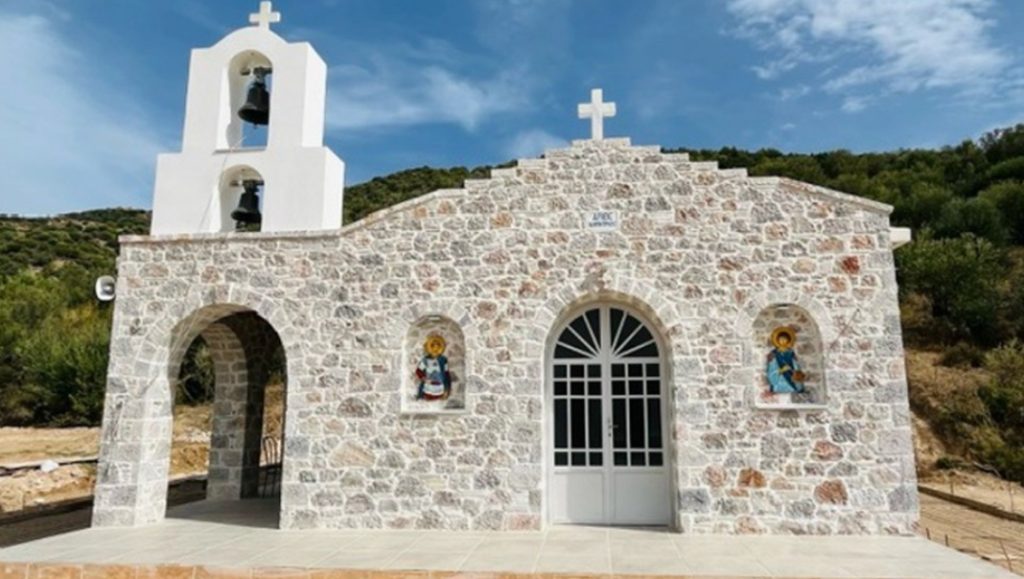
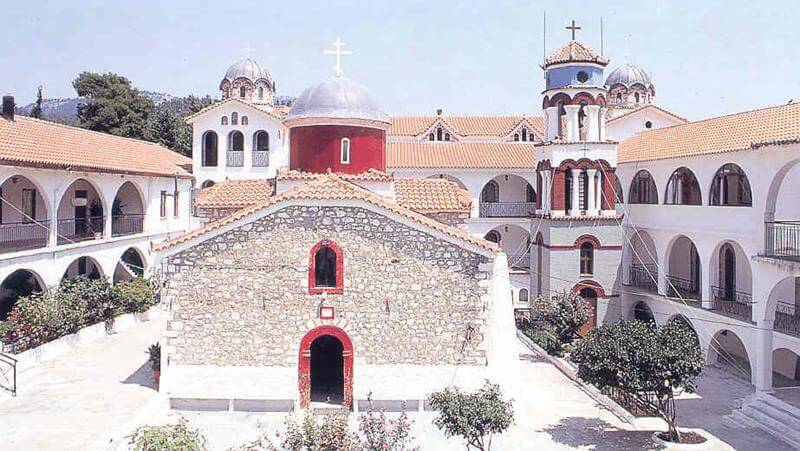
Architecturally, the church has an imposing dome and a bell tower that can be seen from afar. Inside there is a wooden carved iconostasis and frescoes. The icon of Agios Nikolaos is located in a central place. Devotees come daily to light a candle and pray.
🙏 Spiritual Life & Tradition
The church is open throughout the year. Divine Liturgies, Holy Supplications, Sacraments and Confessions are performed. The spiritual life culminates during the major festivals. A special day is December 6, the feast day of St. Nicholas. On that day a solemn Divine Liturgy is celebrated with a large attendance of the faithful.
The procession of the icon and the solemn services attract visitors from all over Evia. The parish becomes a focus of religious interest.
🤝 Role in the Community
The church is not limited to its religious services alone. It also plays an important role in the social life of the town. There are activities that support vulnerable groups and food is offered to those in need. There are also Sunday schools and initiatives that strengthen the family and the community.
The maritime tradition of Chalkida gives Agios Nikolaos a special place. It is a symbol of protection for sailors, fishermen and travellers. Many residents consider him their personal protector and honour him regularly.










Leave a Reply